


The Advantages of Hybrid Implant Dentures
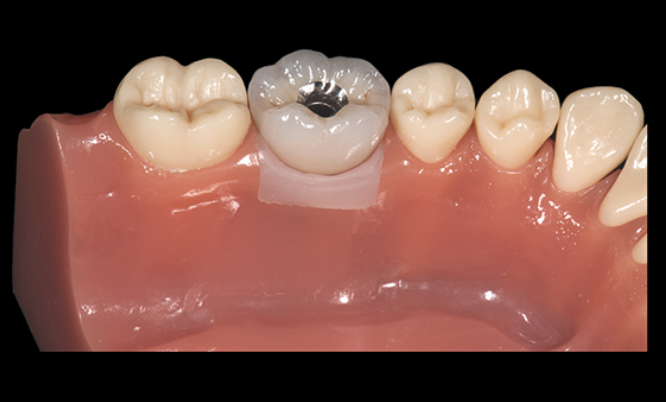
Hybrid implant dentures have gained popularity in recent years as they offer a solution that combines the benefits of traditional dentures and dental implants. This innovative approach revolutionizes the way we replace missing teeth and provides patients with a more comfortable, stable, and realistic alternative.
1. Stability and security
Unlike traditional dentures, which rely on suction and adhesives for stability, hybrid implant dentures are anchored securely in the mouth using strategically placed dental implants. These implants act as artificial tooth roots, providing a strong foundation for the dentures. The stability offered by hybrid implant dentures allows patients to eat, speak, and laugh confidently without worrying about their dentures shifting or falling out.
2. Improved chewing efficiency
Traditional dentures often restrict your ability to eat certain foods due to their reduced biting and chewing force. Hybrid implant dentures restore nearly 90% of your natural chewing ability. The implants provide stability and result in improved biting force, which means you can enjoy a wider range of foods, including tough and crunchy ones, without discomfort or fear of your dentures cracking or dislodging.
3. Enhanced aesthetics and comfort
Hybrid implant dentures are custom-made to resemble natural teeth. The replacement teeth are carefully crafted to match the shape, size, and color of your existing teeth, resulting in a seamless and aesthetically pleasing smile. Moreover, the dental implants provide a more comfortable and natural fit compared to traditional dentures. The elimination of bulky acrylic bases makes hybrid implant dentures feel more like your own teeth.
Procedure for Hybrid Implant Dentures
The process of getting hybrid implant dentures typically involves multiple stages:
1. Consultation and treatment planning
The first step is a thorough examination by a dental professional to determine if you are a suitable candidate for hybrid implant dentures. The dentist will take X-rays and digital impressions of your mouth to assess bone density and determine the optimal location for the implants.
2. Implant placement
The next stage involves the surgical placement of dental implants into your jawbone. The number of implants required depends on the individual's case. These implants will serve as the support for the dentures.
3. Healing period
After the implant placement, a healing period of several months is necessary to allow the implants to fuse with the jawbone through a process called osseointegration. During this time, temporary dentures may be worn to maintain aesthetics and function.
4. Final denture attachment
Once the implants have integrated with the bone, the final hybrid denture is attached to the implants using specialized connectors. The denture is then adjusted to ensure a perfect fit and comfortable bite.
Hybrid implant dentures present a groundbreaking solution for those who want the stability and comfort of dental implants combined with the convenience and affordability of traditional dentures. This dental innovation provides patients with enhanced aesthetics, improved chewing ability, and a renewed sense of confidence. Consult with your dentist to find out if hybrid implant dentures are the right solution for your dental needs.

