


A Comprehensive Overview of Dental Restoration Options
Patient's oral health and aesthetics can be enhanced through various dental restoration techniques. Among these techniques, porcelain teeth, all-ceramic teeth, and hybrid implant dental restorations are commonly used. This article aims to provide a detailed classification and comparison of these three dental restoration options, highlighting their unique characteristics and applications.
1. Porcelain Teeth
Porcelain teeth, also known as porcelain-fused-to-metal (PFM) restorations, have been widely used in dental practices for many years. These restorations consist of a metal substructure with a porcelain coating. This combination provides both strength and aesthetic appeal. Porcelain teeth are known for their natural appearance, making them a popular choice for patients who require both functional and cosmetic restorations.
However, porcelain teeth have some limitations. Over time, the metal substructure may become visible due to gum recession or wear of the porcelain. Additionally, the presence of metal can cause concerns for patients with metal allergies.
2. All-Ceramic Teeth
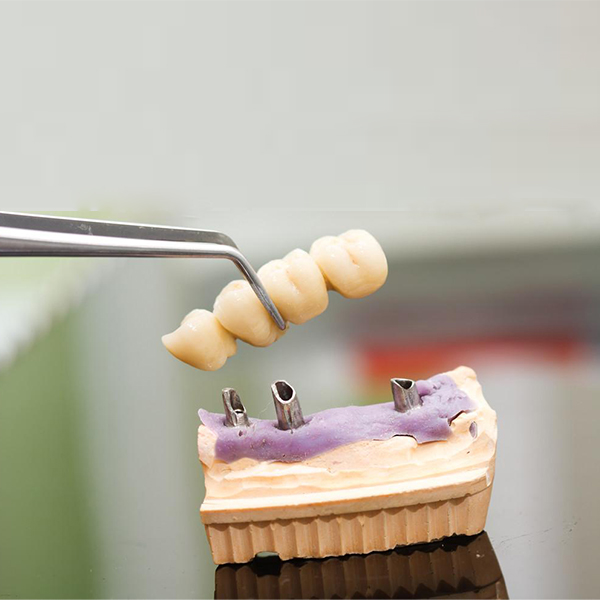
All-ceramic teeth are an alternative to porcelain teeth, offering improved aesthetics and eliminating the potential problems associated with metal substructures. These restorations are composed entirely of ceramics, providing a highly natural appearance and ensuring better light transmission, which mimics the characteristics of natural teeth. The absence of metal also eliminates the risk of metal allergies.
All-ceramic teeth are highly biocompatible and can blend seamlessly with the surrounding teeth, making them a favorable option for patients with high aesthetic expectations. Moreover, modern ceramic materials used in these restorations exhibit excellent strength and durability, making them suitable for various dental applications.
3. Hybrid Implant Dental Restoration
Hybrid implant dental restorations involve a combination of dental implants and prosthetic materials such as porcelain or ceramics. They are primarily used for full-arch or full-mouth restorations. By placing multiple dental implants in the jawbone, a fixed dental prosthesis is securely attached, providing stability and function.
Hybrid implant dental restorations offer numerous advantages, including improved speech, enhanced chewing ability, and long-term restoration of facial aesthetics. These restorations also provide a permanent solution for patients with missing teeth or dentures.
Overall, the classification of porcelain teeth, all-ceramic teeth, and hybrid implant dental restorations offers patients a range of options based on their specific needs and preferences. Dentists can help guide patients in choosing the most suitable restoration option that balances aesthetics, functionality, and durability.
Porcelain teeth, all-ceramic teeth, and hybrid implant dental restorations are versatile options for enhancing oral health and aesthetics. While porcelain teeth provide strength and natural appearance, all-ceramic teeth offer improved aesthetics and biocompatibility. Moreover, hybrid implant dental restorations provide a permanent solution for patients with missing teeth. By understanding the classification and characteristics of these restoration options, patients can collaborate with their dentist to make informed decisions and achieve optimal dental outcomes.

